Desk · 1 page
Ideas and Meanings: motifs, placement and symbols
This desk looks at how a tattoo idea takes shape. It covers motifs, symbols, placement, and the meanings those images carry in different traditions.
By Elias Varga, editor · Updated
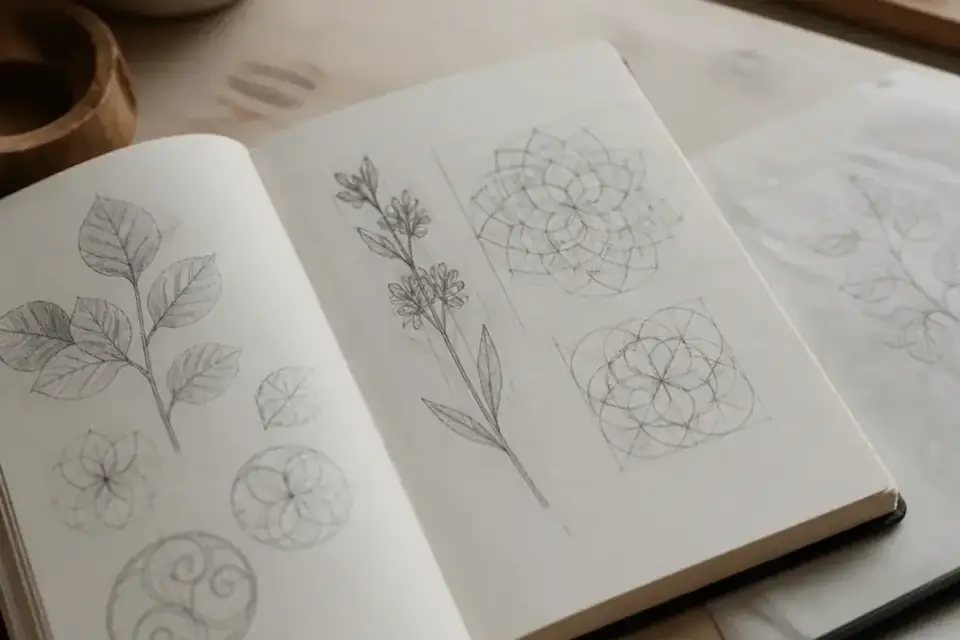
Ideas
The pages of the desk
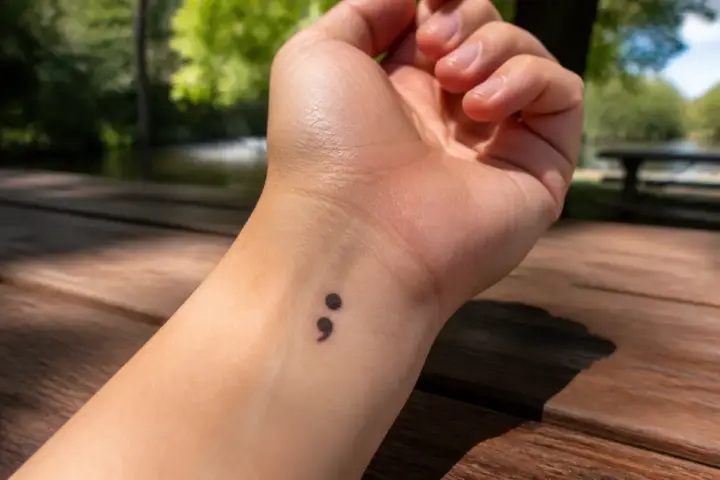
What this desk covers
The Ideas and Meanings desk follows a tattoo from the first thought to the first line on paper. It looks at motifs, the recurring images that appear across body art, and at symbols, the images that stand for something beyond their shape. Each page asks what an image has meant, who has used it, and why it still appears on skin today.
The desk also treats placement and sizing as part of the idea. A design changes with the curve of a shoulder or the narrow space of a wrist. Pages here explain how proportion, flow, and distance from the eye shape the way a motif reads. They also explain how a concept can be developed on paper before any sketch is drawn.
How the pages are organized
Pages are grouped by theme. One group covers motifs in broad families, such as animals, plants, and geometry. Another group covers symbols tied to particular cultures, faiths, and histories. A third group covers the process of building an idea, from notes and reference gathering to deciding on scale.
Each page opens with a short summary and then moves into detail. Where a meaning is disputed or varies by region, the page says so plainly. Sources are drawn from public references such as museum collections, national libraries, and academic publications, and those sources are named within the text.